When a walk-in condensing unit fails, the question comes fast: fix it or replace it? With product at risk, there is pressure to decide on the spot. A little thinking ahead makes that decision easier and less expensive.
This guide walks through the factors that matter most for restaurant owners and facility managers: the age and condition of the whole system, the refrigerant, energy use, parts availability and the full cost of each path. We will not quote prices here, because they depend on the specific equipment and failure, but we will show you how to compare options fairly.
Start with the whole system, not the failed part
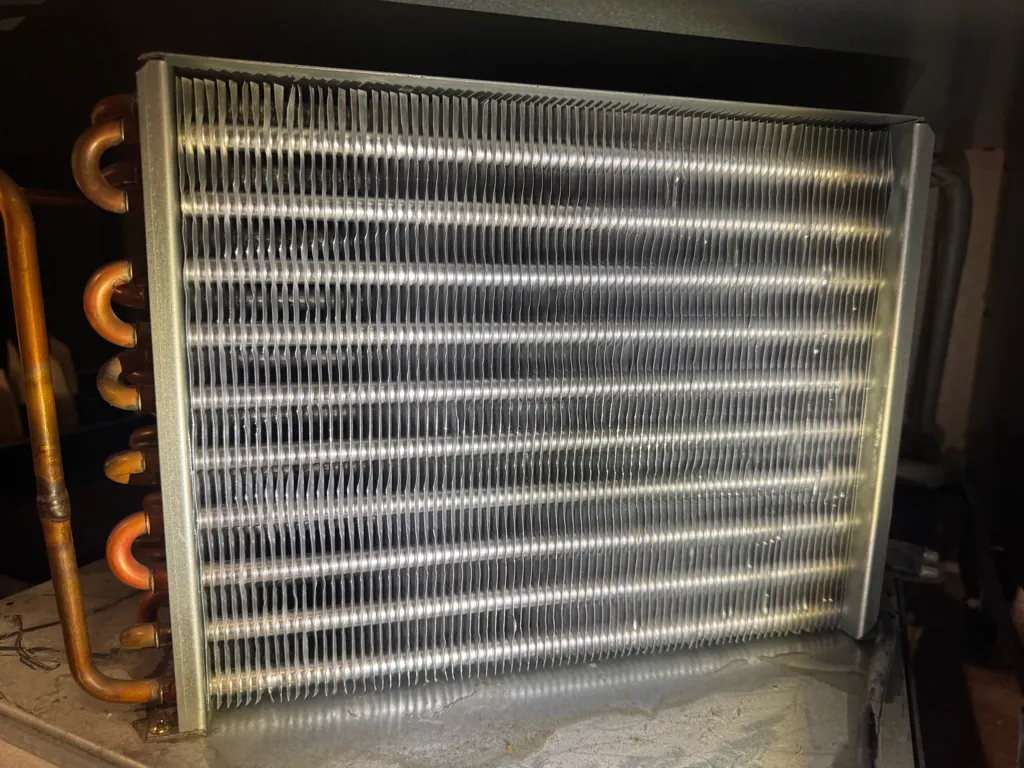
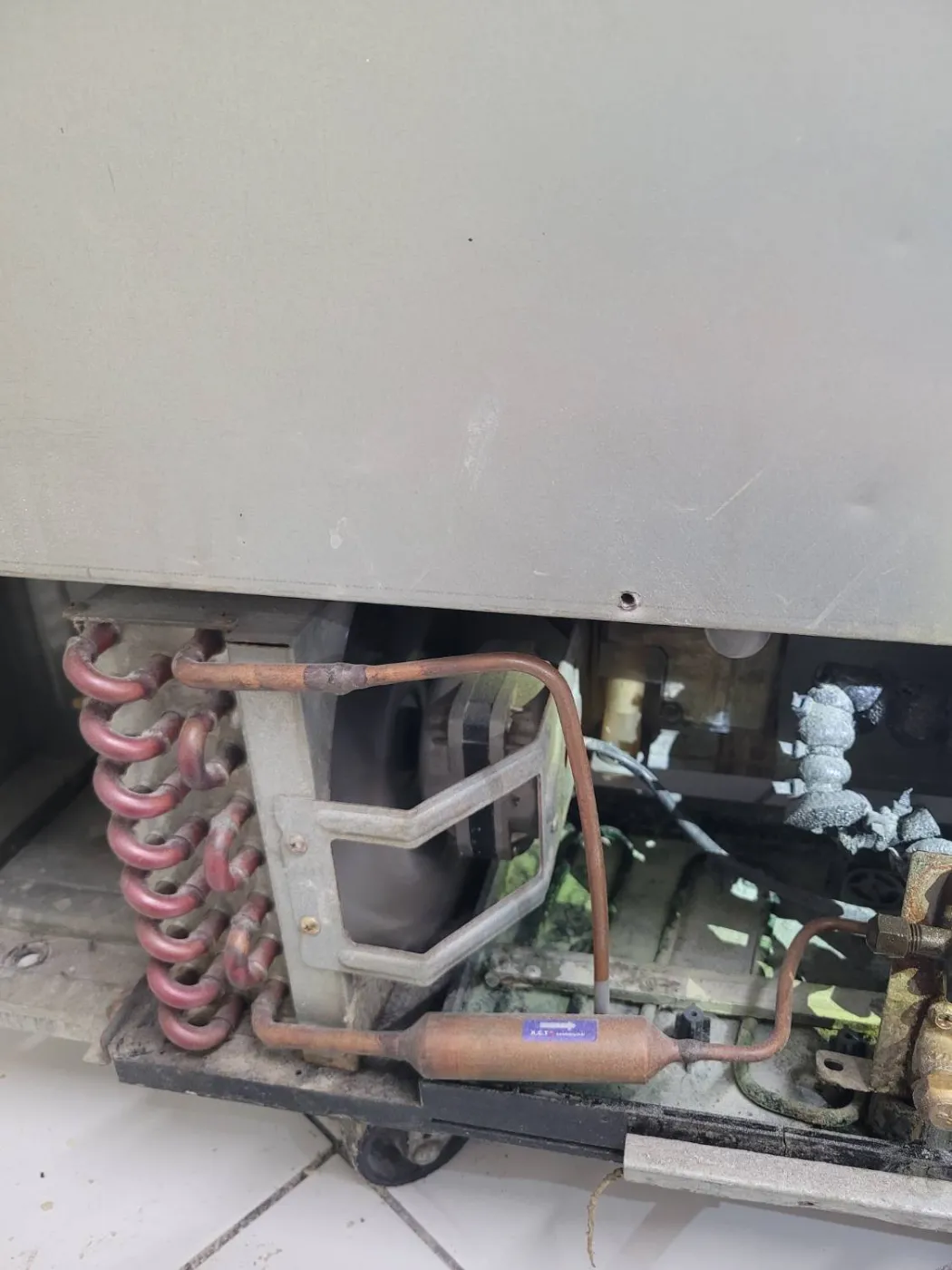
A condensing unit is one part of a system that also includes the evaporator, refrigerant lines, controls, the box itself and its door. A new compressor will not fix a box with failing panels or an evaporator that is corroded and leaking.
Before deciding, ask your technician for an honest condition report on the rest of the system. A repair makes the most sense when the failed component is the main problem and the rest of the system is sound.
Factor 1: Age and repair history
Age by itself does not decide anything. A well-maintained older unit can outlast a neglected newer one. What matters is the trend.
Look at the repair history. One major repair on an otherwise reliable unit is different from a series of service calls over the past year. If you are on the third or fourth call for related problems, the unit may be telling you something.
Also consider what else is likely to fail soon. If the condenser fan motor, contactor and coil are original and worn, factor those into the true cost of keeping the unit running.
Factor 2: The refrigerant
Many older walk-ins use R-404A or similar HFCs. Under the AIM Act, EPA is reducing the supply of HFCs over time, with production and consumption caps stepping down to 15 percent of baseline by 2036.
That does not stop you from repairing. EPA says existing systems can continue to be used and repaired, and components for maintenance can still be made and imported. But EPA also notes that HFC and component availability may lessen over time.
The refrigerant matters most when the failure involves a leak. A system that has lost its charge needs the leak found and fixed, then a recharge. On larger systems, EPA's leak repair rules may apply; its 2024 fact sheet lists a 20 percent leak rate threshold for commercial refrigeration appliances with 15 pounds or more of HFC refrigerant. A system with recurring leaks is a strong candidate for replacement.
If you do replace, note that new remote condensing unit systems installed on or after July 27, 2026 face an interim GWP limit of 1,400 under EPA's revised Technology Transitions rule, with a lower limit beginning in 2032. Ask what refrigerant a replacement would use and how long it is expected to remain supported.
Factor 3: Energy use
Older condensing units, especially ones that have been running with dirty coils or low charge for years, can use noticeably more electricity than a properly sized modern unit. Newer equipment may offer variable-speed fans, electronically commutated motors and better controls.
If you want numbers rather than guesses, ask your utility whether it offers commercial energy assessments or rebates for refrigeration equipment, and compare the rated efficiency of a replacement against your existing unit's data plate.
Factor 4: Parts availability and downtime
Some failures are fixed in one visit with common parts. Others require a model-specific compressor or control board that takes days or weeks to arrive, or is no longer made.
Ask your technician two questions: how long will the part take to get, and is it still in production? Then think about what downtime costs you. A walk-in that is down for a week has costs beyond the repair invoice: lost product, rental refrigeration and lost sales.
Factor 5: Total cost, not just the invoice
Compare repair and replacement on the same basis. For each option, list:
- Parts and labor for the work itself
- Refrigerant cost for the recharge or new system
- Expected remaining life of the repaired system versus the new one
- Likely near-term repairs on the old system
- Estimated energy cost difference
- Downtime and product loss risk during each option
- Any electrical, structural or line-set changes a new unit would require
- Warranty coverage on the repair or on the new equipment
Common scenarios
A fan motor, contactor, capacitor or thermostat failure on a system in otherwise good shape is usually a repair. These are common wear items.
A compressor failure on a relatively young, leak-free system with good coils is often worth repairing, especially if the replacement compressor is readily available.
A compressor failure on an old system with a history of leaks, corroded coils and an obsolete refrigerant setup is where replacement deserves a serious look.
A compressor that failed because of an underlying problem, such as a refrigerant leak, a failed fan or electrical issues, needs that root cause fixed regardless, or the new compressor may fail too.
Plan before it fails
The best time to make this decision is before the emergency. During a routine maintenance visit, ask your technician to estimate how much life the system has left and what is most likely to fail next. If replacement is on the horizon, you can budget, choose equipment and schedule installation on a slow day instead of a holiday weekend.
If your walk-in condensing unit or compressor is failing, ABC Denver Appliance Repair can give you a clear assessment so you can decide with the facts in hand. The service call fee is waived when you approve the repair, and repairs carry a 90-day warranty.