Home / Restaurants & cafés

Restaurants & cafés

Restaurant equipment repair in Denver

When the walk-in warms up during prep or the ice machine quits before a Friday rush, you need a technician who knows commercial kitchens. We repair refrigeration, ice machines, ovens, ranges, dishwashers and holding equipment for Denver restaurants, cafés and bars.

Commercial service call$129
Waived when you approve the repairWritten quote before any work · same- or next-day appointments · 90-day warranty on parts and labor

4.8 ★  71 Google reviews

Request business service

We reply during business hours (Mon–Sat 7am–7pm · Sun 8am–6pm). Urgent? Call (720) 534-0432.

Same / next-day dispatchPriority slots for contract clients
90-day warrantyOn every repair, parts and labor
Service call waivedWhen you go ahead with the repair
EPA 608 certifiedTechnicians licensed for refrigerant work
Insured, COI on requestReady for vendor onboarding
W-9 & invoicingNet-30 terms for approved accounts

Restaurant equipment fails at the worst time because that's when it's working hardest. Most of the calls we get from Denver kitchens are refrigeration (walk-ins, reach-ins, prep tables), ice machines, commercial dishwashers and cooking equipment. We triage by what's at risk: product temperature first, then service, then everything else.

Here is what a typical month of restaurant work looks like for us, from our own job records around Denver. For the full detail on each type of equipment, follow the links to the service pages.

Refrigeration

Refrigeration: protect the product first

01A café walk-in that stopped cooling

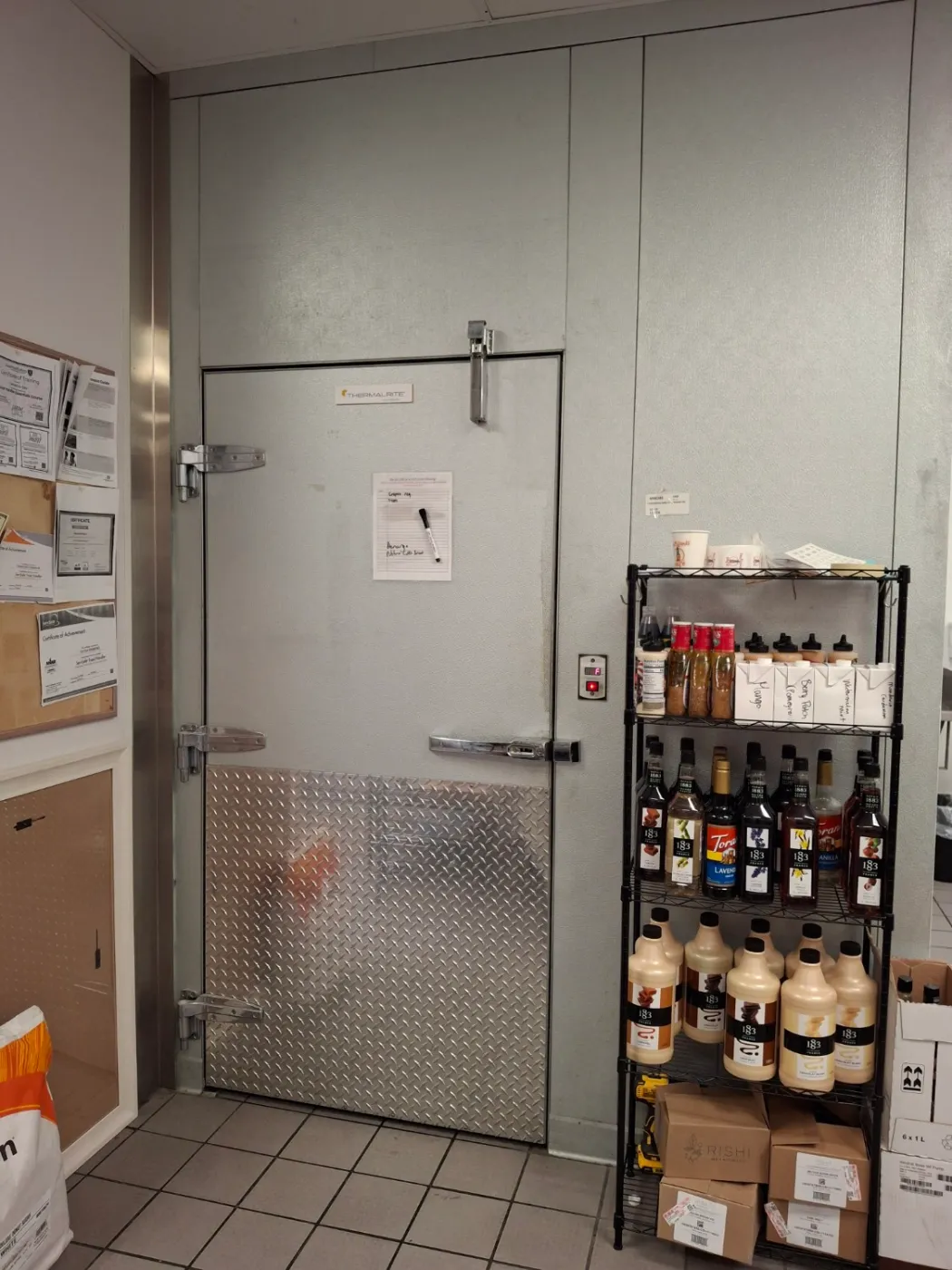
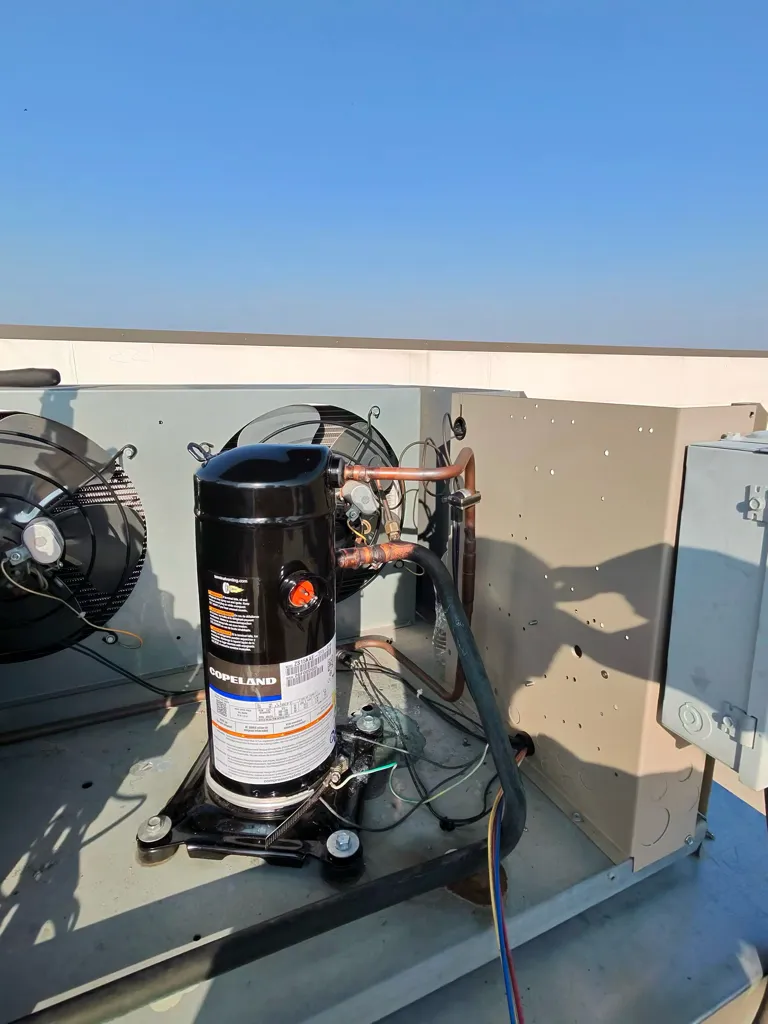
A café near Denver called with food starting to spoil. The compressor on the rooftop condensing unit had failed. We recovered the refrigerant, replaced the compressor and filter-drier, pulled a vacuum, recharged and confirmed the box was holding temperature the same day.

Rooftop condensing unit on a café walk-in
Failed compressor on the rooftop unit
The café walk-in back in service

02Iced evaporators and clogged condensers

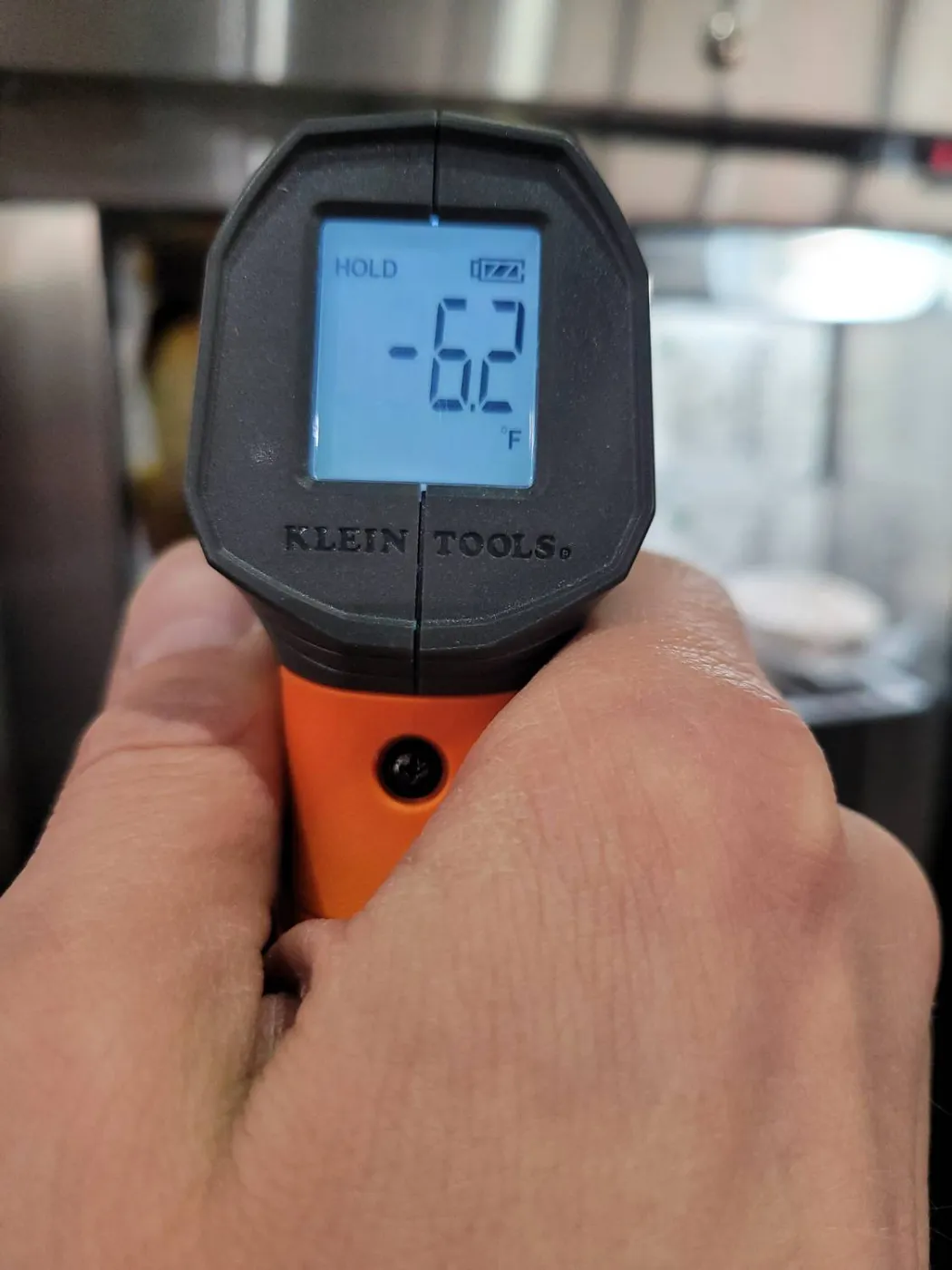
The most common walk-in and reach-in calls in Denver restaurants are an evaporator buried in ice and a condenser clogged with grease and dust. At an Italian restaurant in Lakewood a reach-in was at 50°F because its drain was blocked and ice had built up on the evaporator; we defrosted it and cleared the drain. In Commerce City an Everest freezer was pulling down to -30°F because its controller failed; we replaced and programmed the controller.

Evaporator after the defrost
Restaurant reach-in refrigerators
Temperature check after the controller replacement
Ice

Ice machines: scale is the enemy

03Descaling, sensors and pumps

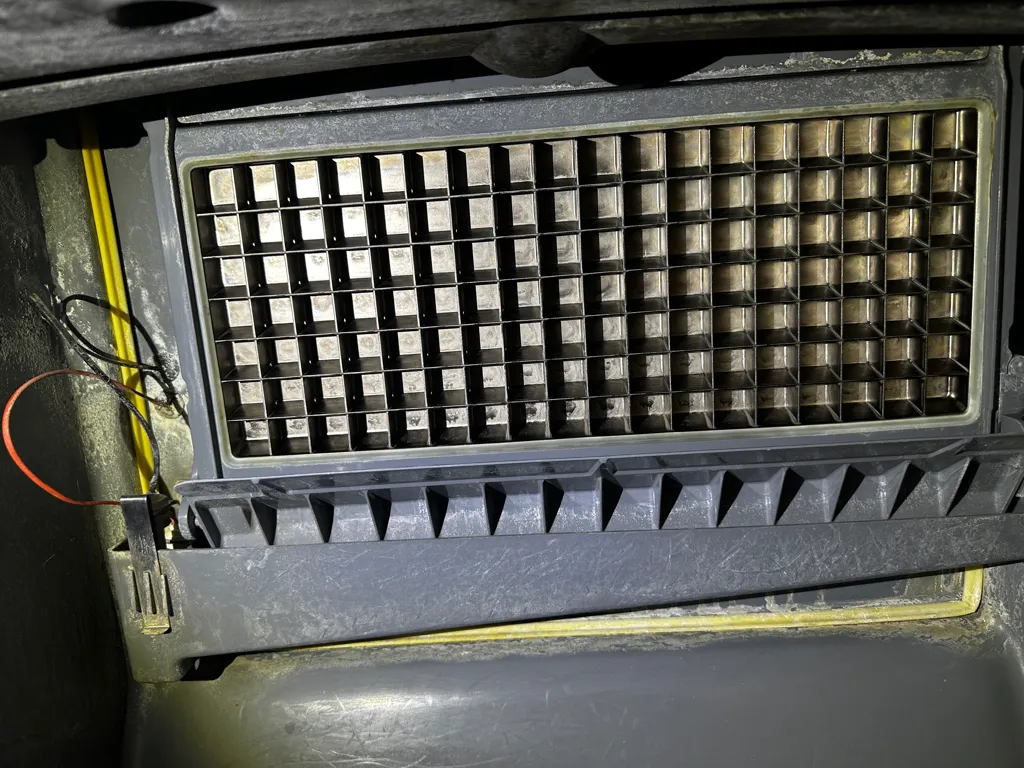
Ice machines in Denver bars and restaurants fail slowly: thinner cubes, slower harvest, then no ice. The usual cause is scale on the evaporator and sensors. We descale and sanitize, replace ice thickness and water level sensors, water pumps and inlet valves, and recommend a cleaning schedule that matches how much ice you use.

Scale on an ice machine evaporator
Evaporator after descaling

04A beeping ice machine

When a commercial ice machine beeps and stops, it is reporting a fault: usually a long freeze or harvest time, a water supply problem or a high-temperature safety trip. In Lakewood the machine below was doing exactly that. We read the fault, check water inlet, float and pump, clean the condenser and then descale the evaporator, because scale is behind most of these calls in Denver water.

Cooking

Ovens, ranges and holding equipment

05Keeping the line running

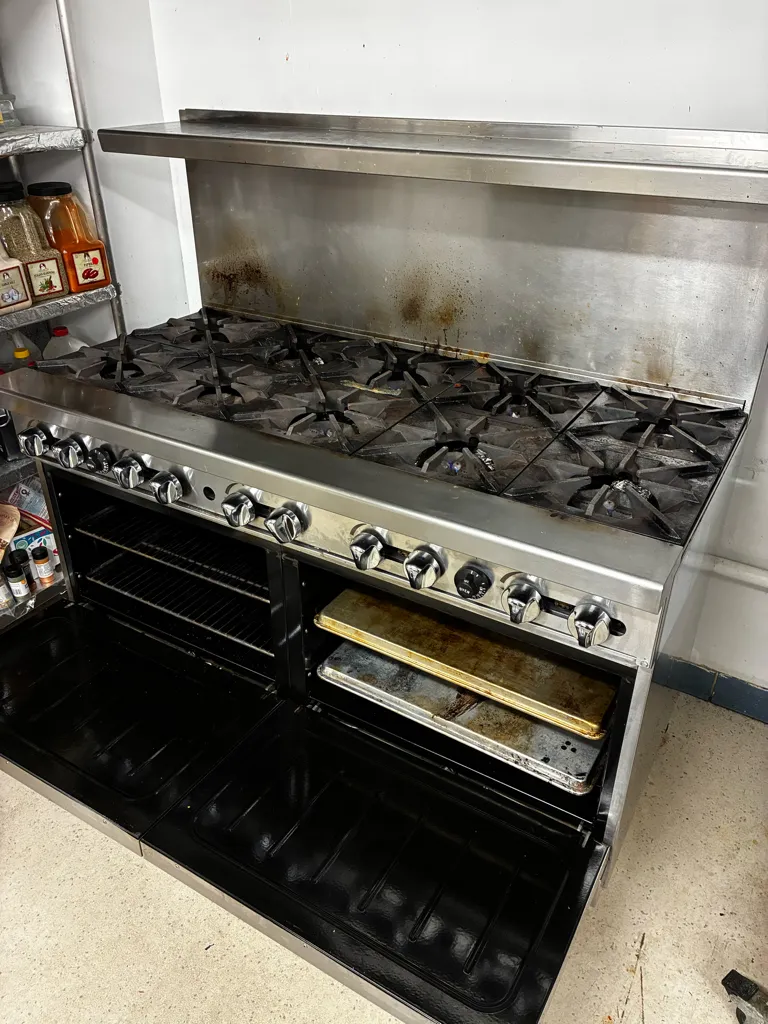
We repair convection ovens, gas ranges, countertop ovens, pizza ovens and food warmers: thermostats, thermocouples and pilots, elements, blowers, timers and door glass. A Denver kitchen's gas range got a new thermostat, thermocouple and pilot, and a Lakewood restaurant's food warmer got a new high-limit thermostat after it kept shutting off. We don't service fryers or grills.

Convection ovens in a Denver kitchen
Commercial gas range
Food warmer back in service
Walk-ins

Walk-in coolers and freezers in Denver restaurant kitchens

06Ice on the evaporator coil

A walk-in that slowly warms up over a few days usually has an evaporator that is icing over. Air can no longer pass through the coil, so the box loses temperature even though the compressor runs all day. The cause is almost always one of four things: a failed defrost heater or defrost termination thermostat, a defrost timer or controller that never starts a defrost, a door that does not close and lets humid kitchen air in, or a clogged drain that refreezes on the next cycle.

On the Denver cooler in the first photo the coil was solid with ice. We melted it off, cleaned the drain and the drain pump, ran two full defrost cycles and watched the coil clear before we left. If we only melt the ice and leave, it comes back within a week, so we always find the reason the defrost failed.

07Condensing units on the roof and behind the building

Most restaurant walk-ins have the condensing unit outside: on the roof, on a pad behind the kitchen or in a small enclosure like the one in Lyons below. Colorado weather is hard on them. Cottonwood fluff and dust plug the condenser in summer, hail bends the fins, and in winter the unit can short-cycle or trip on low pressure if it has no head-pressure control.

We check the contactor, capacitors, fan motor, pressures and the amp draw of the compressor. On the Lyons freezer the contactor relay had burned contacts, which is a cheap part that stops the whole box. Replacing it on the first visit saved the product inside.

08Doors, gaskets, strip curtains and heaters

A torn gasket or a door that drifts open can cost a kitchen more than a failed part, because the system runs nonstop and the coil ices. Freezer doors also have heater wires in the frame; when one fails the door freezes shut or the gasket tears when someone yanks it open. We replace gaskets, door closers, hinges and frame heaters and adjust the door so it seals on its own.

Reach-ins

Reach-ins, prep tables and glass-door merchandisers

09The box is not holding 41°F

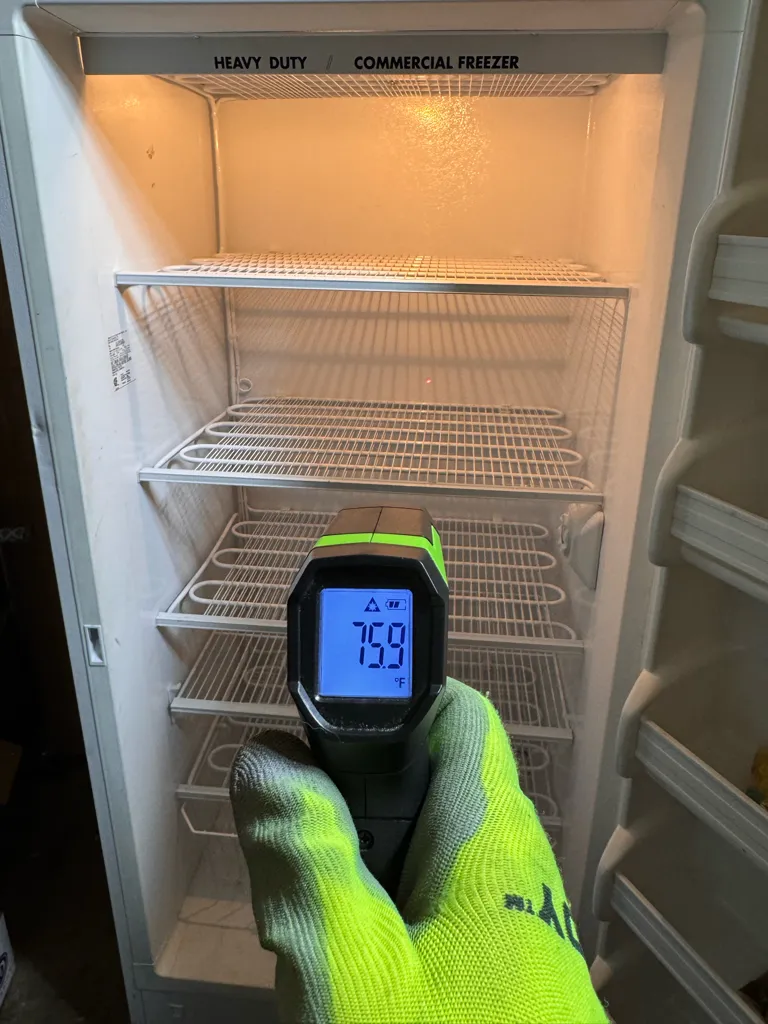
Cold-holding food has to stay at 41°F or below. When a reach-in drifts to 45 or 50 degrees, the first thing we do is measure what the product actually sees, not what the display says. In Commerce City, Aurora, Lafayette and Arvada the photos below show the same first step: a probe or infrared reading in the product zone, then on the coil and at the condenser.

From there the usual causes are a dirty condenser, a stalled evaporator or condenser fan, a failed start relay or capacitor, a controller or sensor that reads wrong, a defrost problem, or a refrigerant leak. Cleaning and fan replacements are fixed on the spot. Sealed-system work (leak search, compressor, filter-drier, recharge) is done by our EPA 608-certified technicians.

Reach-in in Arvada that stopped after a defrost: temperature check before testing the compressor
Temperature check on a commercial refrigerator in Lafayette
Commercial cooler in Aurora where food was going bad: reading the box temperature

10Controllers and temperature sensors

Newer reach-ins and merchandisers use an electronic controller with one or two sensors instead of a mechanical thermostat. A sensor that drifts makes the unit run too warm or freeze the product, and a failing controller can stop defrost completely. On a two-door reach-in in Commerce City the controller had failed; we installed a new one and programmed the setpoint, differential and defrost schedule. On a glass-door unit in Erie both sensors were bad and the coil needed a thorough cleaning.

Two-door stainless reach-in in Commerce City that needed a new controller
Glass-door commercial refrigerator in Erie after both temperature sensors were replaced

11Prep tables, undercounter units and bar coolers

Sandwich and pizza prep tables run the hardest of any refrigeration in a kitchen: the lid is open all through service, the rail sits next to the line and flour or grease ends up in the condenser. Undercounter freezers and bar coolers have the same problem in a smaller box. We clean the condenser, check the fans and the defrost, replace gaskets and drawer slides and correct the setpoint. The Erie undercounter freezer below needed a new defrost thermostat; the Longmont merchandiser was part of a routine check on four units.

Glass-door merchandiser at a Longmont business during a four-unit refrigeration check
Hot side

Food warmers, holding cabinets, ovens and ranges

12Food warmers and heated holding

Hot holding has to stay at 135°F or above. Warmers and holding cabinets usually fail in one of three ways: a heating element burns out, a high-limit thermostat trips and stays open, or a contactor or relay that switches the heat wears out. On a warmer line in Lakewood the unit had been run on a very high setting for a long time; we cleaned the contactor contacts and replaced the high-limit thermostat, then checked the temperature at every well.

Food warmer line in Lakewood: contactor contacts cleaned and the high-limit thermostat replaced

13Convection ovens, ranges and griddles

On gas cooking equipment we see igniters and flame sensors, safety valves, thermostats, door switches and convection fan motors. On electric equipment it is elements, contactors and controls. We check gas pressure and combustion and confirm that every burner lights and holds a flame before we sign the ticket.

Health code

Temperatures, logs and health inspections

14What an inspector looks at

In Colorado retail food establishments the cold-holding limit is 41°F and the hot-holding limit is 135°F. Inspectors also look at thermometers inside units, ice machine cleanliness and whether equipment is in good repair. A unit that is running warm on inspection day is a violation even if it was fine yesterday, so a temperature log taken at opening and close is the cheapest early warning a kitchen has.

After a repair we tell you what failed, what we replaced and whether anything else on the unit is close to failing, so you can plan it instead of finding it on a Friday night. Our invoice describes the work in detail.

Service area

Restaurants, cafés and bars we serve

15Denver and the metro area

We work in restaurants, cafés, bars, breweries, bakeries, commissary kitchens, convenience stores and office kitchens across Denver, including Downtown and LoDo, RiNo, the Highlands, Capitol Hill, Cherry Creek and South Broadway. Outside the city we regularly go to Aurora, Lakewood, Arvada, Westminster, Thornton, Commerce City, Englewood, Littleton, Broomfield, Boulder, Longmont, Lafayette, Erie and Lyons; every photo on this page comes from one of those calls.

When you call, tell us the type of equipment, what it is doing, the box or product temperature if you have it and any code on the display. That lets the technician bring the parts that are most likely needed.

How we work

How we work with restaurants

16Priority dispatch, written quotes, one invoice

Commercial calls go to the front of the schedule, and we give you the soonest time when you call. You get a written quote before any work and an invoice your bookkeeper can actually use. For multi-unit operators we offer service plans with scheduled coil cleaning, ice machine sanitizing and a temperature check on every box.

Job records

Recent commercial equipment repairs in and around Denver

WhereApplianceProblemWhat we did
AuroraCafé walk-in coolerNot cooling, food spoilingReplaced compressor and filter-drier, recharged
LakewoodRestaurant reach-in50°F insideDefrosted evaporator, cleared drain, cleaned condenser
LakewoodRestaurant freezerNot holding temperatureReplaced defrost heater blanket, controller and door switch
Commerce CityEverest freezerRunning nonstop, -30°FReplaced and programmed controller
DenverManitowoc ice machinePoorly formed cubesCalibrated, full descale and sanitize
DenverCommercial ice machineNo iceReplaced water pump
DenverCommercial gas rangeOven not heating properlyReplaced thermostat, thermocouple and pilot
DenverBlodgett convection ovenBroken inner glassReplaced inner glass door
LakewoodFood warmerShutting offReplaced high-limit thermostat
DenverCommercial coolerIce buildup, warming upDefrosted two evaporators, cleaned drain and drain pump
ErieUndercounter freezerNot freezing properlyForced defrost, replaced defrost thermostat
LyonsCommercial freezerNot runningCleaned compressor power contacts, replaced contactor relay
Commerce CityTwo-door reach-inNot holding temperatureReplaced and programmed the controller
ErieGlass-door refrigeratorNot coolingReplaced both temperature sensors, cleaned the unit
LakewoodFood warmerNot heatingCleaned contactor contacts, replaced high-limit thermostat
LakewoodIce machineBeeping, no iceDiagnosed fault, cleaned and serviced

Problems are described as the customer reported them; repairs are taken from the technician's notes. No customer details are published.

Tips from our technicians

How to avoid the next commercial equipment repair

Log walk-in and reach-in temperatures at opening and close.

Clean condenser coils monthly in a busy kitchen.

Descale and sanitize ice machines every three to six months.

Keep evaporator fans and door gaskets clear and intact.

Call at the first sign of trouble: frost, water on the floor, thin ice or a compressor that never stops.

Who we are

ABC Denver Appliance Repair is an independent, local repair company. Our technicians are EPA 608-certified, carry common parts on the truck and test every repair before they leave. Every repair comes with a 90-day parts and labor warranty.

What we fix

Problems we handle every week

  • Walk-in cooler or reach-in not holding 41°F
  • Ice machine not making ice or making thin, cloudy ice
  • Commercial dishwasher not heating or not draining
  • Range, oven or cooktop not lighting or heating evenly
  • Walk-in freezer icing up, or a freezer door gasket failing
  • Water leaks around refrigeration equipment
What you get

Built around how your team works

  • Early-morning appointments from 7am, seven days a week
  • Temperature check and food-safety notes on refrigeration calls
  • Written quote before work
  • Preventive coil and gasket service to avoid breakdowns
  • One invoice per visit with parts listed
  • COI available for landlords and property managers

How a service call works

Step 1

Request

Call, text or send the form. Tell us the location and the equipment.

Step 2

Diagnose & quote

A technician arrives same or next day and gives a written quote before any work.

Step 3

Repair & report

You get a photo report and an invoice your office can file the same day.

Common questions

How fast can you get to a restaurant in Denver?

Commercial calls get priority. We offer same- or next-day service across the Denver metro; call and we'll give you the soonest time.

Do you work on walk-ins, reach-ins and prep tables?

Yes, along with display cases, bar coolers, ice machines, commercial dishwashers, ovens, ranges and food warmers.

Are your technicians certified for refrigerant work?

Yes. Our technicians are EPA 608-certified.

Do you repair fryers and grills?

No. We focus on refrigeration, ice machines, dishwashers, ovens, ranges and holding equipment.

Do you offer maintenance plans for restaurants?

Yes. Scheduled coil cleaning, ice machine sanitizing and equipment checks reduce emergency calls. See our service plans.

What temperature should a walk-in cooler or reach-in hold?

Cold-holding food has to stay at 41°F or below. Most kitchens set walk-ins around 35–38°F and freezers around 0°F or colder. If your box reads above 41°F, move high-risk product and call us.

Do you repair food warmers and holding cabinets?

Yes. We repair heating elements, high-limit thermostats, contactors and controls on warmers, holding cabinets and steam wells, and we check the temperature at every well after the repair.

Put your locations on a Priority account

Fixed labor rates, front-of-line dispatch and one monthly invoice.

See service plans
From our job records

Photos from our job records

Real photos our technicians took on calls around Denver and the Front Range. Each caption says what was done; no customer details are shown.

Dacor gas cooktop after the spark module replacement
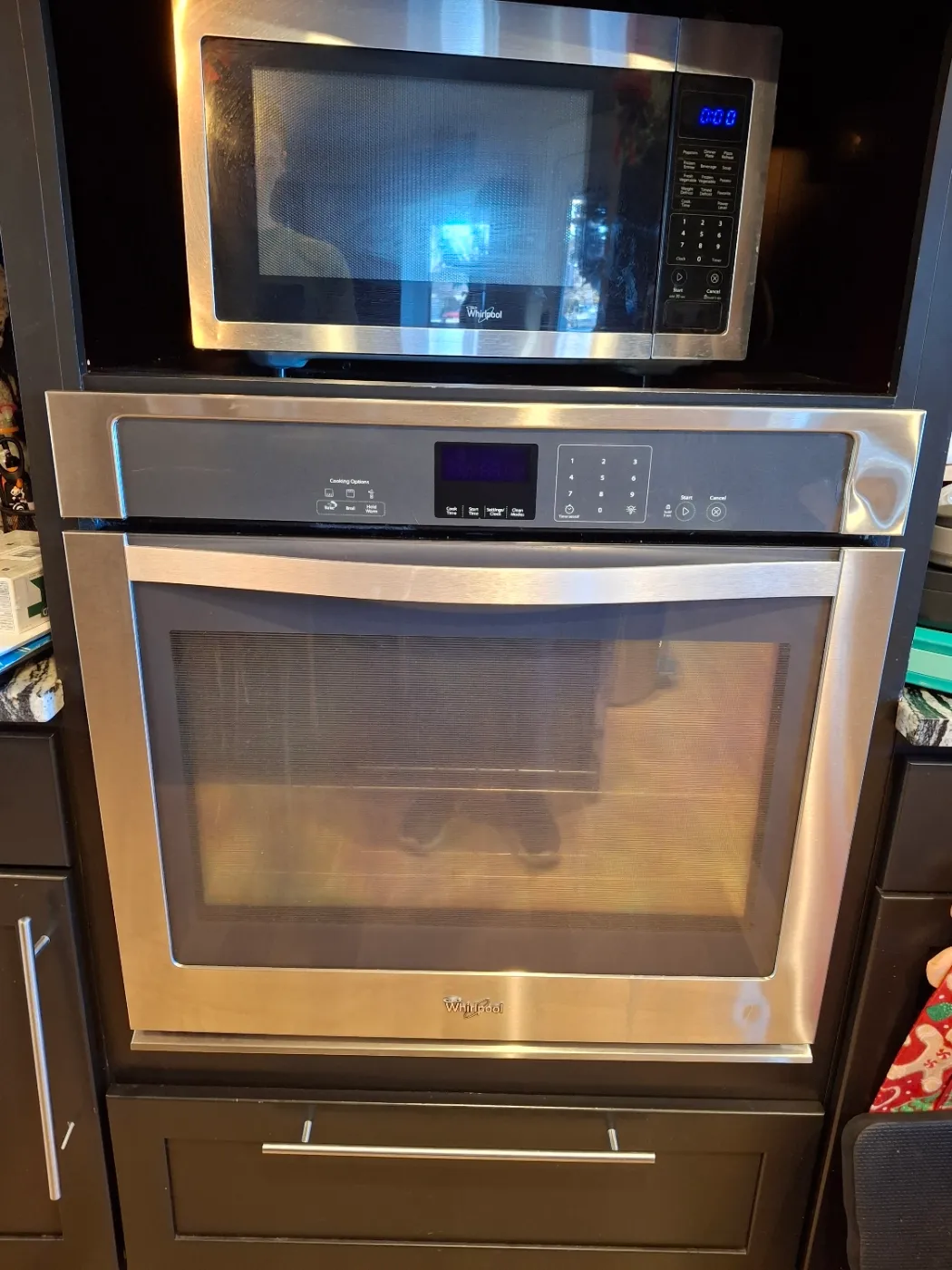
Wall oven in Denver after a safety thermostat replacement
ZLINE Autograph dishwasher installed in a Lakewood kitchen
Panel-ready refrigerator in Wheat Ridge after a fan repair

Call (720) 534-0432