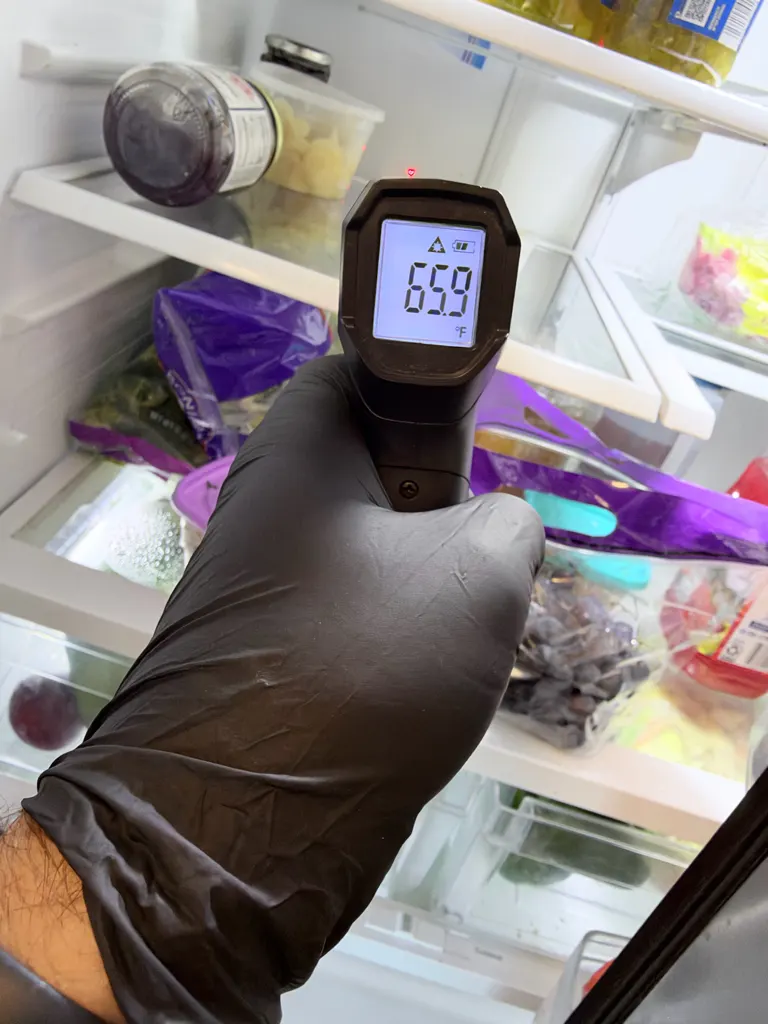
Freezer not freezing: upright, chest and garage freezers
A freezer that won't hold 0°F costs money fast. The causes depend on the type: chest freezers usually come down to seals, thermostats and relays; frost-free uprights add fans and defrost parts; freezers in cold garages have their own problem entirely. Here's how we work through each.
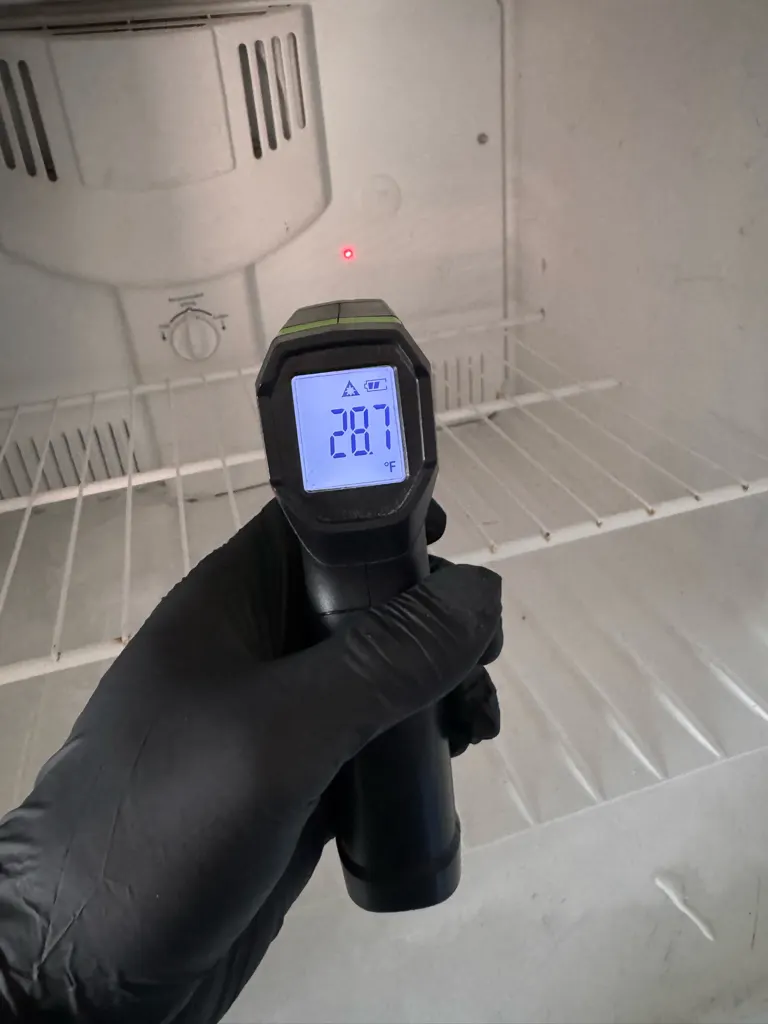
Check the door or lid closes and seals all the way around, and that the freezer isn't overpacked against the vents. If there's heavy frost on the back wall of a frost-free freezer, the defrost system has failed. If the compressor clicks but doesn't run, it's the start relay or compressor. If the freezer is in an unheated garage and only fails in winter, it may not be rated for those temperatures.
Start with the type
| Freezer type | Common causes when it's warm | First check |
|---|---|---|
| Refrigerator freezer (frost-free) | Evaporator fan, defrost failure, condenser | Frost on back panel, fan running |
| Upright frost-free | Defrost heater/thermostat, fan, door seal | Frost pattern, door seal |
| Upright manual-defrost | Heavy frost, door seal, thermostat | Frost thickness, seal |
| Chest freezer | Lid seal, thermostat, start relay | Lid closes flat, compressor runs |
| Garage freezer | Ambient too cold or too hot | Garage temperature, rating |
Door and lid seals
Every time warm, humid air gets in, it turns into frost on the coils or walls. A torn gasket, a sagging door, or a lid held open by a frozen package lets in enough air to warm the freezer and make the compressor run nonstop. Close the door on a dollar bill in several places; it should resist being pulled out. Clean gaskets with warm water and check the freezer is level so the door swings closed.
Frost buildup and defrost
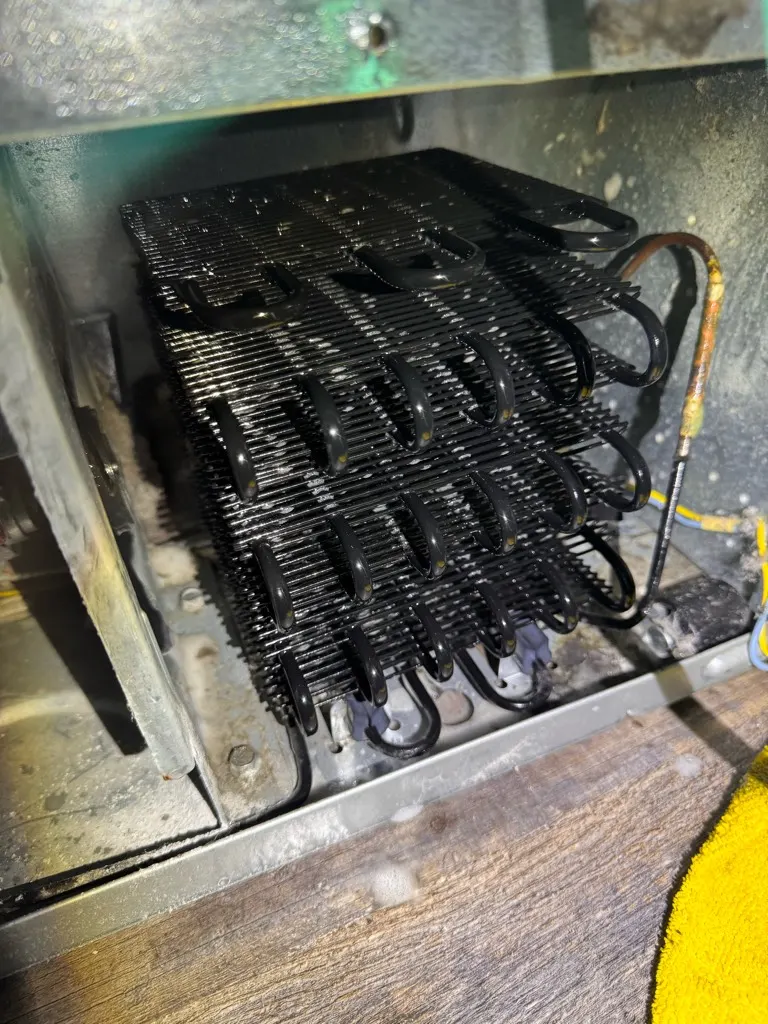
On frost-free freezers, a heater melts frost off the evaporator coil several times a day. If the heater, defrost thermostat, sensor or control fails, frost builds up until air can't pass the coil and the freezer warms. Heavy frost on the back wall or around the vents is the sign.
Manual-defrost freezers need to be defrosted when frost reaches about a quarter inch. Thick frost insulates the cooling surfaces and the freezer can't keep up.
Fans and the condenser
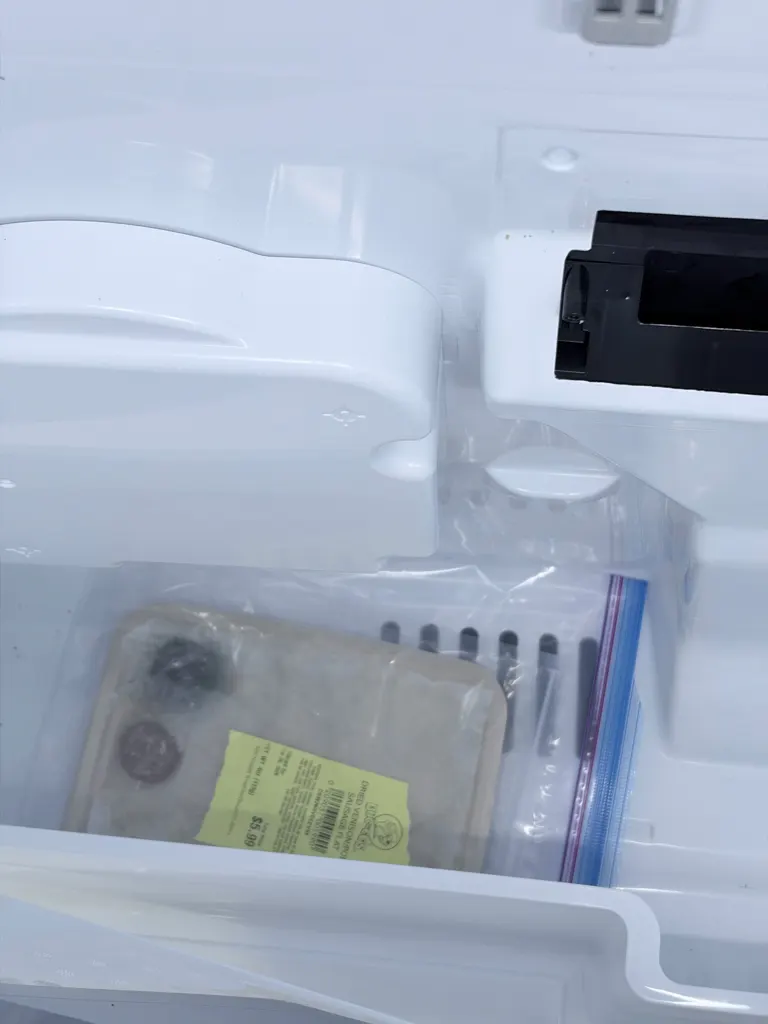
Frost-free freezers use an evaporator fan inside and, on many models, a condenser fan near the compressor. Either failing raises temperatures. Condensers loaded with dust make the compressor run long and hot. Clean the condenser grille or coil once a year, more often in dusty basements or garages.
Relay, thermostat and compressor
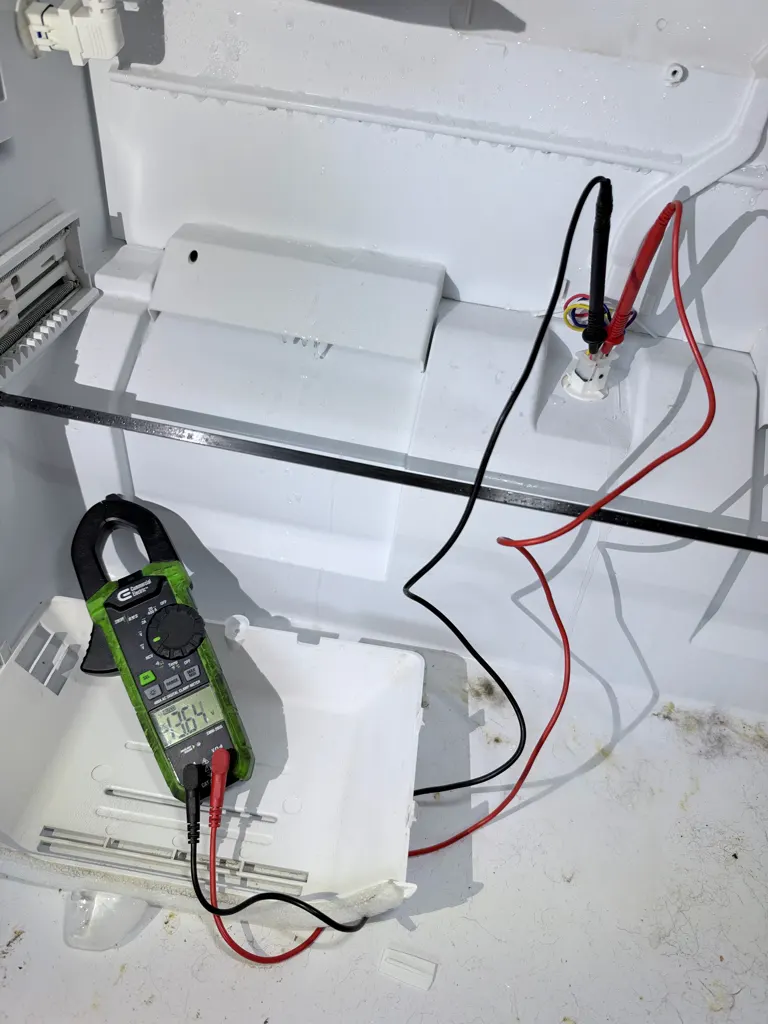
If the freezer is warm and silent, check the thermostat isn't turned off. If you hear a click every few minutes without the compressor humming, the start relay or compressor is the problem. On chest freezers, a failed thermostat can also leave the compressor running nonstop or not at all. These are electrical tests we do with a meter on site.
Garage freezers in Colorado winters
Many refrigerator-freezers and some freezers aren't designed for unheated garages. When the garage drops below the thermostat's working range, the compressor barely runs and the freezer warms, even though nothing is broken. In summer, the opposite happens: a hot garage pushes the freezer past its capacity.
Check the manual or label for an ambient temperature range, and look for "garage ready" models if the freezer lives in the garage. Some manufacturers offer garage kits for specific models.
Built-in freezer drawers and columns
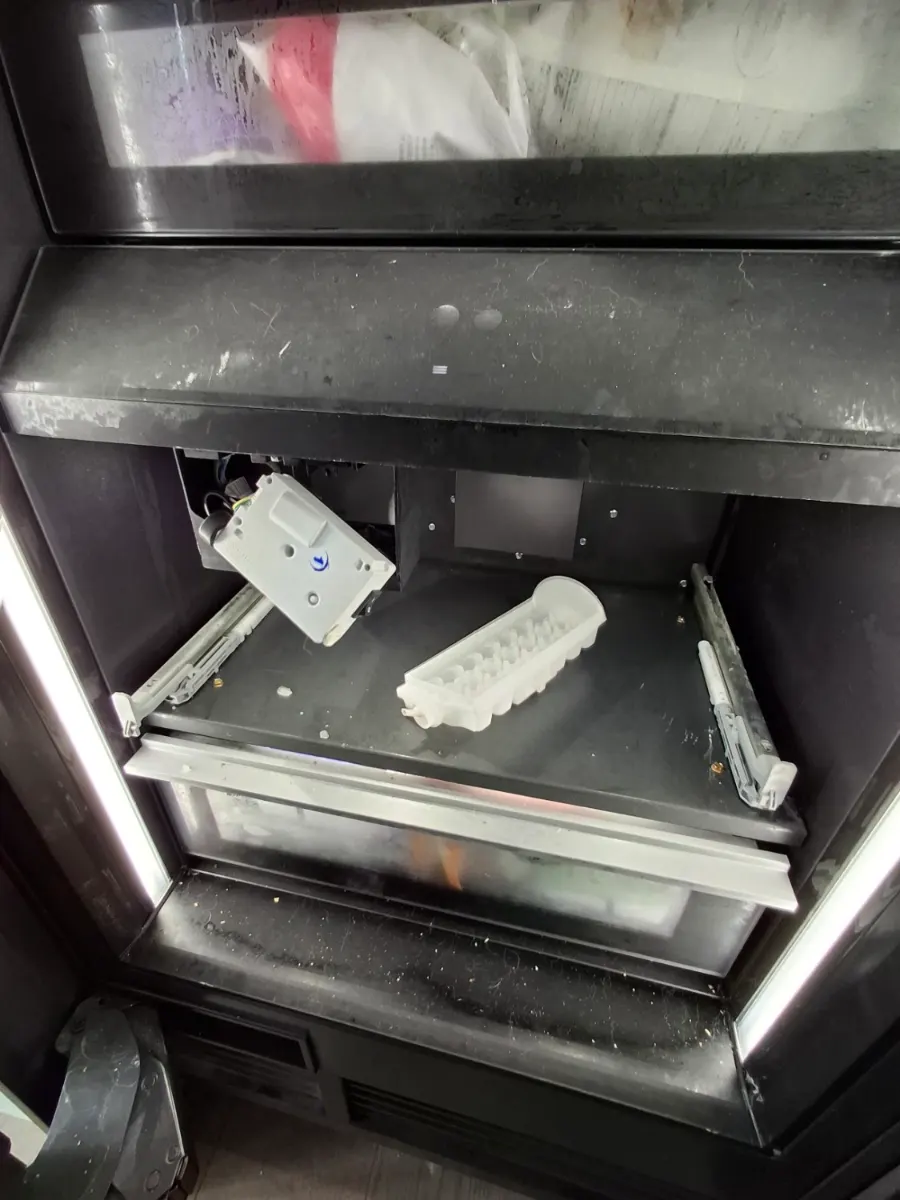
Premium freezer columns and drawers from Sub-Zero, JennAir, Thermador and others use compact sealed systems, electronic controls and tight installations. We serviced JennAir built-ins in Louisville and Westminster this year for ice maker problems in the freezer section. On built-ins, we check temperatures and airflow first, before parts are ordered. See our built-in appliance repair page.
Freezer parts, explained
| Part | What it does | How it fails |
|---|---|---|
| Door / lid gasket | Seals out warm air | Tears, flattens, frost builds |
| Evaporator fan | Moves cold air (frost-free) | Motor fails, blades hit ice |
| Defrost heater & thermostat | Melts frost off the coil | Burns open, thermostat fails |
| Condenser & fan | Rejects heat | Dust buildup, motor failure |
| Thermostat / control | Turns the compressor on and off | Fails open or closed |
| Start relay | Starts the compressor | Fails, repeated clicking |
How we diagnose it on a service call
- 1Measure the freezer temperature and check how full it is
- 2Check door or lid seals and leveling
- 3Look for frost patterns on the back wall
- 4Check fans and the condenser
- 5Test the defrost parts on frost-free models
- 6Test the thermostat, relay and compressor start
- 7Ask where the freezer is located and check the room temperature
Cost and when to call
Gaskets, fans, thermostats, relays and defrost parts are moderate repairs. Sealed-system work on an inexpensive chest freezer usually isn't worth it, and we'll say so. Call (720) 534-0432 and tell us the type and where it's installed. More on our freezer repair page.
Still not working?
Home service call from $59, credited toward the repair. Same- or next-day visits across the Denver metro.
Related repairs from our jobs

Questions we get about this
How long will food stay frozen if the freezer stops?
A full, closed freezer typically keeps food frozen about two days; half full, about one.
Why is my chest freezer frosting up so fast?
Usually a lid that doesn't seal or is opened often in humid weather.
Can I put a freezer in my garage?
Yes, if it's rated for the garage's temperature range.
Should I unplug the freezer while I wait?
No. Keep it closed and running unless it smells hot or trips the breaker.