New house, old appliances: what to check the first week
The appliances that came with your house have a history, and nobody wrote it down. We get a lot of calls in the first month after a move: a dryer that never got its vent cleaned, an ice maker hooked to a cracked plastic line. Most of them could have been caught with half an hour of looking.
Refrigerator
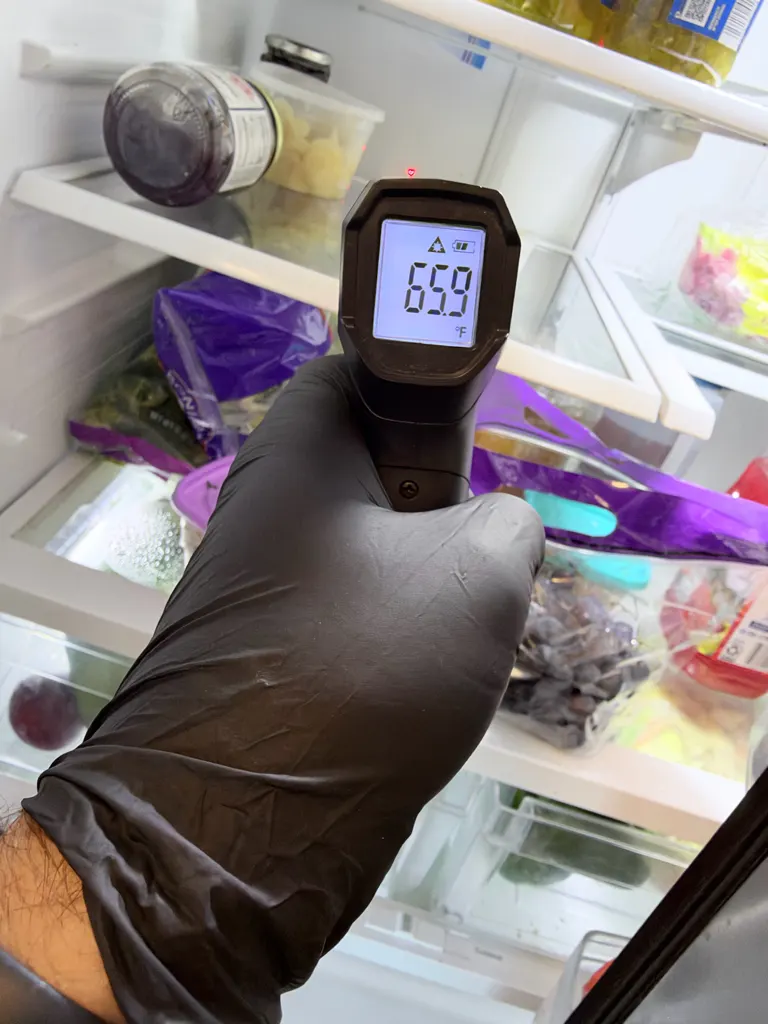
Give it a day to settle, then check temperatures: about 37°F in the fridge, 0°F in the freezer. Vacuum the condenser coil, because previous owners almost never did. Change the water filter and write the date on it. And pull the fridge out to look at the water line. If it's old white plastic tubing, replace it with braided line before it cracks.
Washer
Check the fill hoses. Rubber hoses that are bulging or cracked should go, and braided steel is cheap insurance. On a front-loader, clean the drain filter and wipe out the door boot. Then run an empty hot cycle with a washer cleaner.
Dryer
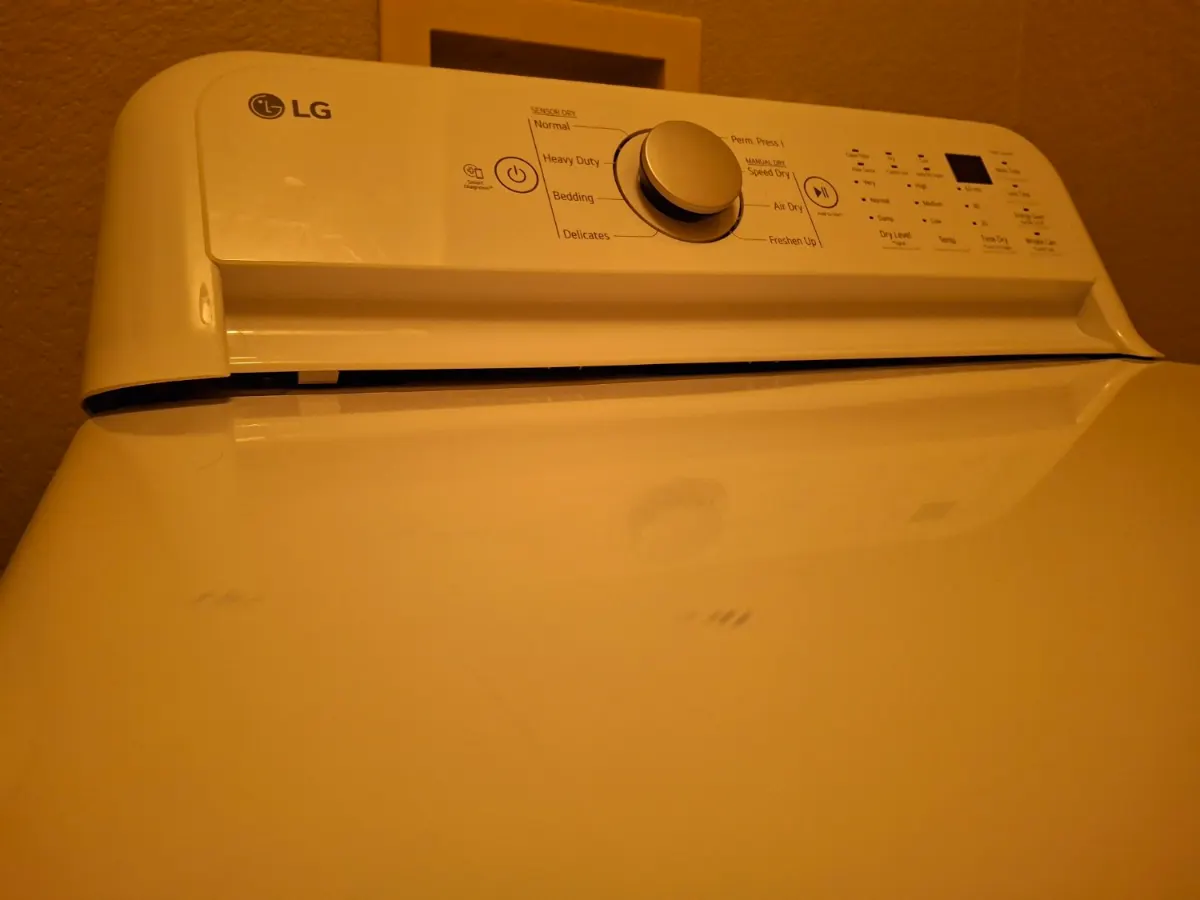
This is the one we'd prioritize. Follow the vent from the back of the dryer to the outside. If the duct behind it is foil or vinyl, replace it with semi-rigid metal. If you don't know when the line was last cleaned, assume never. Clogged vents cause slow drying, blown fuses and, worst case, fires.
Dishwasher
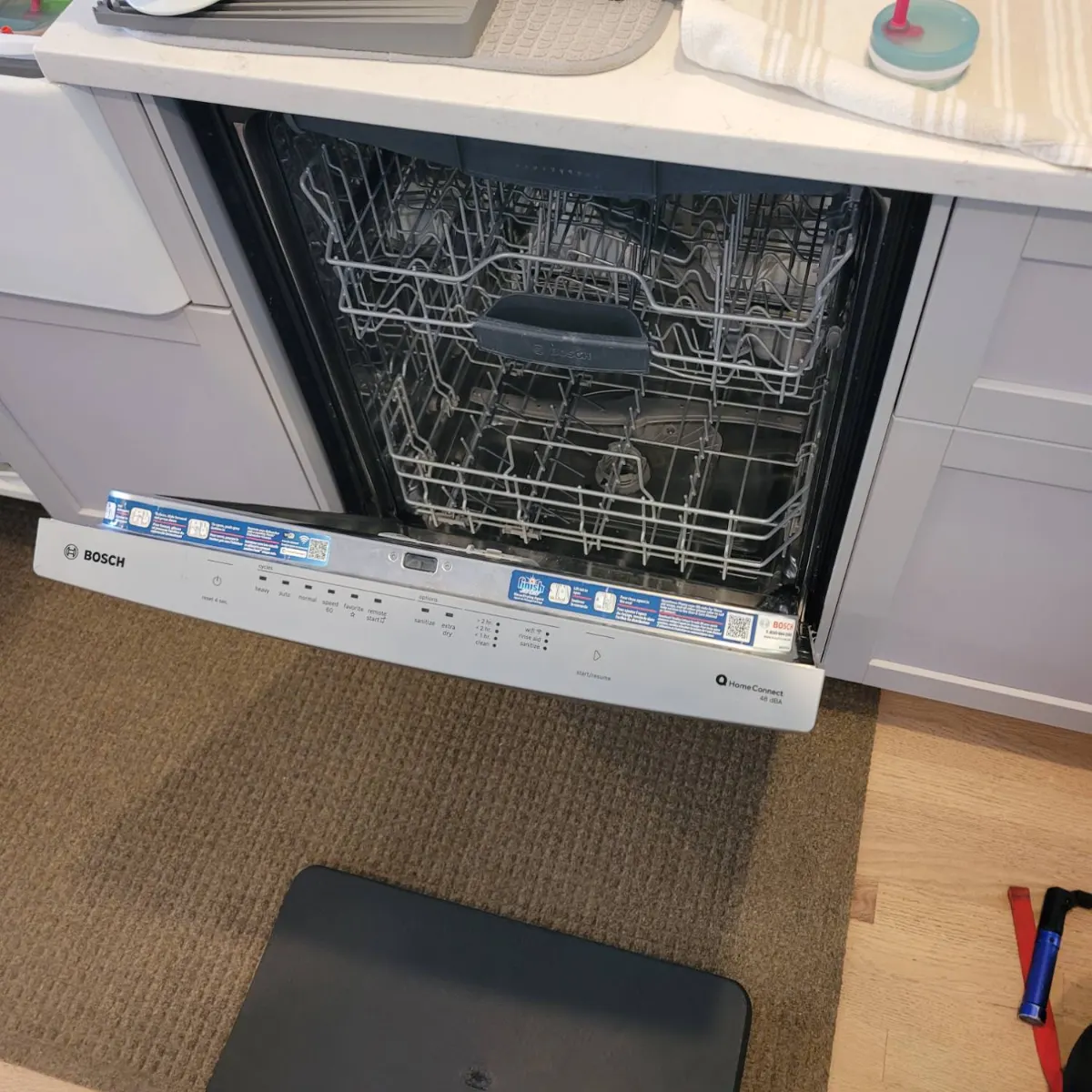
Twist out the filter at the bottom and clean it. Look under the sink for a high loop in the drain hose. Run a cycle and check the floor afterward.
Range and oven
Light every burner. The flame should be blue and steady. Run the oven at 350°F with a cheap oven thermometer inside. And check for the anti-tip bracket at the back, especially if you have kids. While you're at it, find the gas shut-off behind the range so you know where it is.
Write it all down
Brand, model, serial and rough age for each appliance. It takes ten minutes and it's exactly what you'll need for any repair or insurance question later.
Still not working?
Home service call from $59, credited toward the repair. Same- or next-day visits across the Denver metro.
Related repairs from our jobs
Questions we get about this
How do I tell how old an appliance is?
The serial number usually encodes the build date. Send us the model and serial and we can often tell you.